What the Restoring Renfrewshire's Rivers project is
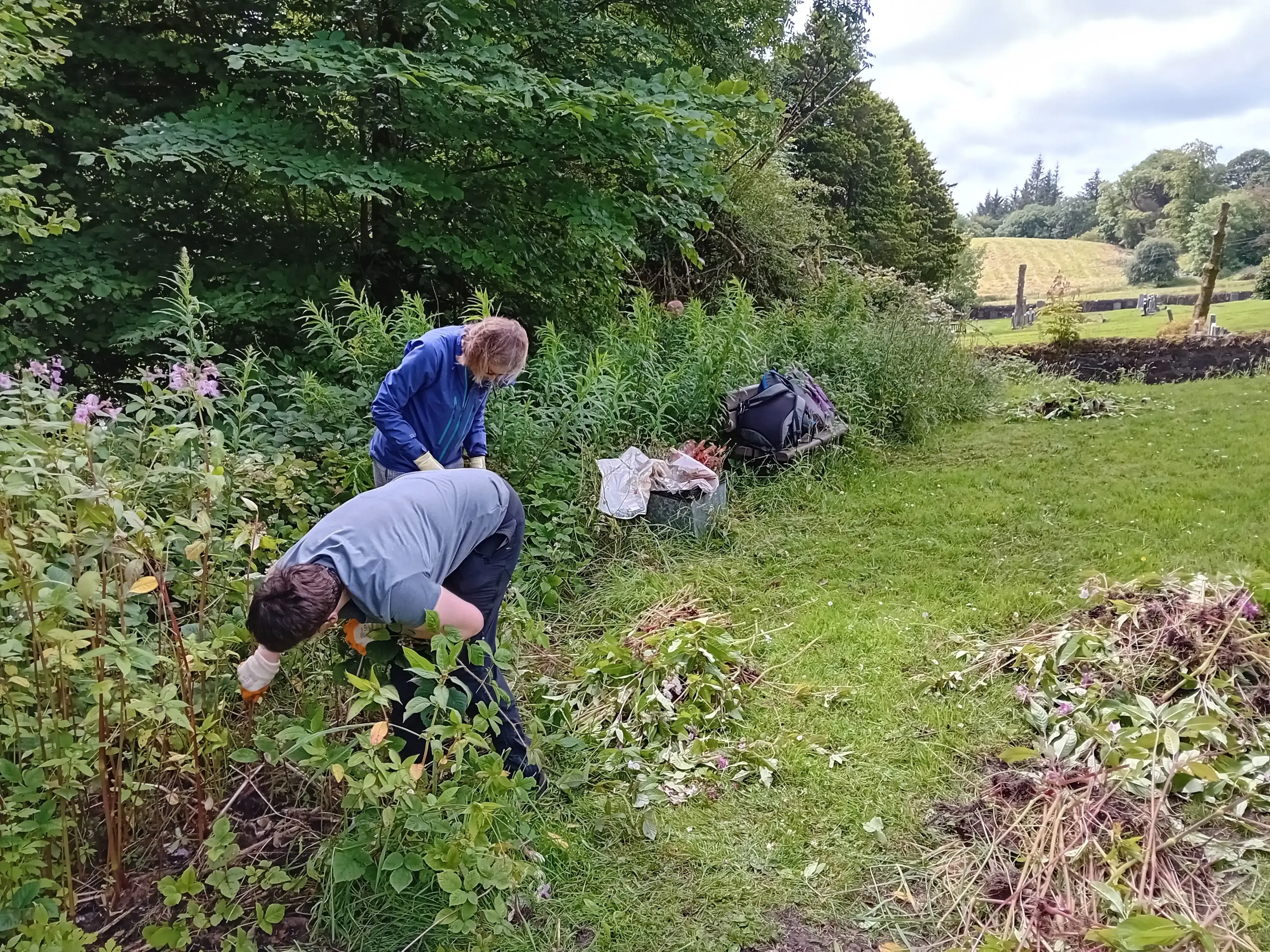
We've received £350,000 from the Scottish Government's Nature Restoration Fund to stop invasive non-native plant species (INNS) from damaging Renfrewshire's riverbanks.
INNS take over habitats from native plants. They can destroy riverbanks and built structures, including buildings and can be harmful to both humans and animals. INNS also reduce resilience of landscapes (such as riverbanks being able to withstand extreme weather) and cause declines in biodiversity.
Find out more about invasive non-native species (NatureScot website).
Restoring our rivers will ensure Renfrewshire has well-connected, nature-rich habitats for native plants, wildlife, and pollinating insects. It also supports Renfrewshire’s Plan for Net Zero by helping to reduce carbon emissions, reduce soil erosion, and make our riverbanks stronger against flooding.
Renfrewshire Council is not responsible for INNS on private land. In these cases, landowners are responsible to manage the spread of these plants.
What rivers we're restoring
We're focusing on the headwaters of these 5 rivers:
- River Calder
- Dargavel Burn
- Locher Water
- Old Patrick Water
- Sergeantlaw Burn.
What invasive non-native species we're removing
Our main focus is to remove these 5 species:
- Rhododendron
- Japanese knotweed
- giant hogweed
- Himalayan balsam
- American skunk cabbage.
Who can get involved
The council's biodiversity team is leading the project. We're looking for community volunteers to help with:
- identifying where the 5-target invasive non-native plant species are on our riverbanks
- surveying, recording, and mapping the presence and spread of the species within buffer zones of the project sites
- implementing control methods, such as herbicide or physically removing plants
- monitoring the project waterways to help stop the invasive plants from returning.
You do not need any previous experience in this field to be a volunteer.
All volunteers will receive free training on species identification and tool use before getting involved, if they need it. Certain plant species can only be controlled through chemical treatment by fully trained staff and volunteers.
Volunteers will need a certain level of physical fitness, as survey work and INNS control may involve long walks over uneven terrain or prolonged manual work. Volunteers must also tell us about any relevant health concerns, such as allergies.
Anyone volunteer under 18 must be accompanied by a legal guardian - or group leaders if in a voluntary group. Volunteers under 18 will only be doing supervised Himalayan balsam and Rhododendron control work.
Timeline of volunteering opportunities
Here's a timeline of our upcoming volunteering opportunities:
- Rhododendron control work and habitat management - until April 2026, then again from October 2026 until spring 2027
- American skunk cabbage control work - mostly March to May 2026, and possibly the summer months
- Himalayan balsam control work - May to August 2026
- giant hogweed and Japanese knotweed control work, only for volunteers trained in pesticide application - May to September 2026
- tree planting and wildflower seed sowing - as needed in autumn, winter, or spring.
The project will be ongoing to ensure progress downstream and to make sure the 5 target species are under control along these watercourses.
How to get involved
Upcoming events
There will be a public information session at Paisley Central Library on Tuesday 7 April from 6pm to 8pm.
Attend the session to find out more about the project, what to expect, and to meet our biodiversity officer, who you would be volunteering with.
Sign up
Email us at restoringrenfrewshiresrivers@renfrewshire.gov.uk if you're interested in volunteering for this project.
Tell us your name and how you'd like us to contact you, and then we'll get back in touch with more information.
Sessions will mostly be on weekdays, other than public holidays. We'll have some Saturday sessions during the summer.
Sessions will always be during the day, usually starting about 10am to 10:30am and finishing by 3pm.
It will be up to you how much time you'd like to commit to the project.
How to learn more
View more details about the Restoring Renfrewshire's Rivers project.
You can learn more about invasive non-native species in Scotland from these non-council resources: